Understanding Divide The Compounds Below Into Electron Poor And Electron Rich Groups

Welcome to our comprehensive guide on Divide The Compounds Below Into Electron Poor And Electron Rich Groups. One of the most useful skills in all of introductory organic chemistry is identifying

Key Takeaways about Divide The Compounds Below Into Electron Poor And Electron Rich Groups

  • Learn the details of how reaction mechanisms are written so that you can better understand them! The key to understanding ...
  • This is it! The start of the very scary reaction mechanisms! Take it easy, chief. First we will define nucleophiles, electrophiles, and ...
  • Chad introduces nucleophiles and electrophiles in the context of nucleophilic attack, one of the common mechanistic steps of ...
  • Definition of nucleophiles and electrophiles. Identifying nucleophilic and electrophilic centers in a molecule.
  • Ok, so we understand how ligands bond to metals to form transition metal complexes, but how many ligands will fit? Well ...

Detailed Analysis of Divide The Compounds Below Into Electron Poor And Electron Rich Groups

This organic chemistry video tutorial provides a basic introduction In this video, we will be talking about Conjugations relation to wavelength and how to approach exam questions. For the full video ... Need help with reactions? I've created flashcard sets to help you master Organic Chemistry: Instant ...

In summary, understanding Divide The Compounds Below Into Electron Poor And Electron Rich Groups gives us a better perspective.

Frequently Asked Questions about Divide The Compounds Below Into Electron Poor And Electron Rich Groups

Q: What is the most accurate information about Divide The Compounds Below Into Electron Poor And Electron Rich Groups?

A: Our platform aggregates the most comprehensive and up-to-date insights, ensuring you get relevant details about Divide The Compounds Below Into Electron Poor And Electron Rich Groups.

Q: Why is Divide The Compounds Below Into Electron Poor And Electron Rich Groups trending right now?

A: Interest in Divide The Compounds Below Into Electron Poor And Electron Rich Groups has surged recently as more people seek reliable resources, related media, and detailed analysis.

Q: Where can I find related media and updates for Divide The Compounds Below Into Electron Poor And Electron Rich Groups?

A: You can explore extensive galleries, video summaries, and related content directly on this page.

Photo Gallery

33.03 Electron-rich and Electron-poor Heterocycles
Organic chemistry Electron Rich and Poor - SUPER EASY and USEFUL
Nucleophiles and Electrophiles
Nucleophilic Strength
Ortho Meta Para Directors - Activating and Deactivating Groups
Electron Donating and Withdrawing Groups Explained
Nucleophiles and Electrophiles: The Key to Understanding Organic Reactions!
Reaction Mechanisms Explained: Curved Arrows, Electron Attacks, Nucleophiles, Electrophiles
Nucleophiles, Electrophiles, Leaving Groups, and the SN2 Reaction
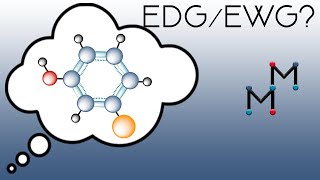
Trick for Determining EDG or EWG
Nucleophiles, Electrophiles, & Intermediates | 6.4 Organic Chemistry
Identifying nucleophilic and electrophilic centers
Sponsored
▶ View Detailed Profile
33.03 Electron-rich and Electron-poor Heterocycles

33.03 Electron-rich and Electron-poor Heterocycles

Examples of

Organic chemistry Electron Rich and Poor - SUPER EASY and USEFUL

Organic chemistry Electron Rich and Poor - SUPER EASY and USEFUL

One of the most useful skills in all of introductory organic chemistry is identifying

Sponsored
Nucleophiles and Electrophiles

Nucleophiles and Electrophiles

This organic chemistry video tutorial provides a basic introduction

Nucleophilic Strength

Nucleophilic Strength

This organic chemistry video tutorial provides a basic introduction

Ortho Meta Para Directors - Activating and Deactivating Groups

Ortho Meta Para Directors - Activating and Deactivating Groups

This organic chemistry video tutorial provides a basic introduction

Sponsored
Electron Donating and Withdrawing Groups Explained

Electron Donating and Withdrawing Groups Explained

In this video, we will be talking about Conjugations relation to wavelength and how to approach exam questions. For the full video ...

Nucleophiles and Electrophiles: The Key to Understanding Organic Reactions!

Nucleophiles and Electrophiles: The Key to Understanding Organic Reactions!

Need help with reactions? I've created flashcard sets to help you master Organic Chemistry: https://stan.store/RojasLab Instant ...

Reaction Mechanisms Explained: Curved Arrows, Electron Attacks, Nucleophiles, Electrophiles

Reaction Mechanisms Explained: Curved Arrows, Electron Attacks, Nucleophiles, Electrophiles

Learn the details of how reaction mechanisms are written so that you can better understand them! The key to understanding ...

Nucleophiles, Electrophiles, Leaving Groups, and the SN2 Reaction

Nucleophiles, Electrophiles, Leaving Groups, and the SN2 Reaction

This is it! The start of the very scary reaction mechanisms! Take it easy, chief. First we will define nucleophiles, electrophiles, and ...

Trick for Determining EDG or EWG

Trick for Determining EDG or EWG

A trick for figuring out if a

Nucleophiles, Electrophiles, & Intermediates | 6.4 Organic Chemistry

Nucleophiles, Electrophiles, & Intermediates | 6.4 Organic Chemistry

Chad introduces nucleophiles and electrophiles in the context of nucleophilic attack, one of the common mechanistic steps of ...

Identifying nucleophilic and electrophilic centers

Identifying nucleophilic and electrophilic centers

Definition of nucleophiles and electrophiles. Identifying nucleophilic and electrophilic centers in a molecule.

The 18 Electron Rule for Transition Metal Complexes

The 18 Electron Rule for Transition Metal Complexes

Ok, so we understand how ligands bond to metals to form transition metal complexes, but how many ligands will fit? Well ...

Related Video Content

Long Division Calculator information

There are two ways to divide numbers when the result won't be even. One way is to divide with a remainder, meaning...

DIVIDE Definition & Meaning - Merriam-Webster information

4 days ago · The meaning of DIVIDE is to separate into two or more parts, areas, or groups. How to use divide in a...

Use the ÷ (Divide) Symbol - DoodleLearning information

÷ means ‘divide’ which is the opposite of multiplication. It asks us to find how many of one number can fit into...

Division - GeeksforGeeks information

Feb 13, 2026 · When you divide a number by another, you’re essentially splitting it into equal parts. However,...

DIVIDE | English meaning - Cambridge Dictionary information

DIVIDE definition: 1. to (cause to) separate into parts or groups: 2. to share: 3. If something divides two areas…....

Close