Introduction to Everyday Grammar Tv Connotations

If you are looking for information about Everyday Grammar Tv Connotations, you have come to the right place. John: Hi Faith! You won't believe what I found this week! Faith: Hey, John! What's that? John: I went to an antique store and found ...

Everyday Grammar Tv Connotations Comprehensive Overview

John: Hi Faith! How are you feeling today? I know that you were sick over the weekend. Faith: I feel a bit better today. But over the ... JR: Hi Dr. Jill! We should continue talking about the noun “population.” It's such a useful term to talk about both people and ... JR: In a previous lesson, we asked our friends to write to us about their pets. In that lesson we talked about the order of cumulative ...

Summary & Highlights for Everyday Grammar Tv Connotations

  • Dr. J: John, are you ready for the softball game after work? Our office is playing the public radio team tonight. JR: No, I don't think ...
  • Faith: Hi John! I haven't seen you for some time. I know I'm a bit late, but Happy New Year! John: Hi Faith! That's Ok. Happy 2024 ...
  • JR: Hi Faith! Is that picture new? FP: Hi John! Yes, my friend sent me this photograph. I love trees. JR: You know, sometimes when ...

We hope this detailed breakdown of Everyday Grammar Tv Connotations was helpful.

Frequently Asked Questions about Everyday Grammar Tv Connotations

Q: What is the most accurate information about Everyday Grammar Tv Connotations?

A: Our platform aggregates the most comprehensive and up-to-date insights, ensuring you get relevant details about Everyday Grammar Tv Connotations.

Q: Why is Everyday Grammar Tv Connotations trending right now?

A: Interest in Everyday Grammar Tv Connotations has surged recently as more people seek reliable resources, related media, and detailed analysis.

Q: Where can I find related media and updates for Everyday Grammar Tv Connotations?

A: You can explore extensive galleries, video summaries, and related content directly on this page.
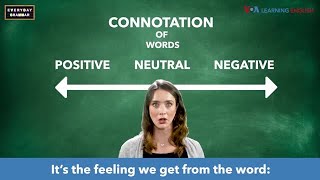
Photo Gallery

Everyday Grammar TV: Connotations
Everyday Grammar TV: Lesson on Illnesses
Everyday Grammar: Comparatives
Everyday Grammar Video: 'Population' in Sentences
Everyday Grammar TV: Describing Pets 3: Cumulative and Coordinate Adjectives
Everyday Grammar TV: What Is an Optimist?
Everyday Grammar: What are Extreme Adjectives?
Everyday Grammar: Introducing Articles
Everyday Grammar TV: Pronouncing Years in American English, Part 1
Everyday Grammar: Reported Speech Historic Present
Everyday Grammar: Introducing Verb Tenses
Everyday Grammar TV: Grammar and Trees, Part 1
Sponsored
▶ View Detailed Profile
Everyday Grammar TV: Connotations

Everyday Grammar TV: Connotations

John: Hi Faith! You won't believe what I found this week! Faith: Hey, John! What's that? John: I went to an antique store and found ...

Everyday Grammar TV: Lesson on Illnesses

Everyday Grammar TV: Lesson on Illnesses

John: Hi Faith! How are you feeling today? I know that you were sick over the weekend. Faith: I feel a bit better today. But over the ...

Sponsored
Everyday Grammar: Comparatives

Everyday Grammar: Comparatives

This video is based on an article in the

Everyday Grammar Video: 'Population' in Sentences

Everyday Grammar Video: 'Population' in Sentences

JR: Hi Dr. Jill! We should continue talking about the noun “population.” It's such a useful term to talk about both people and ...

Everyday Grammar TV: Describing Pets 3: Cumulative and Coordinate Adjectives

Everyday Grammar TV: Describing Pets 3: Cumulative and Coordinate Adjectives

JR: In a previous lesson, we asked our friends to write to us about their pets. In that lesson we talked about the order of cumulative ...

Sponsored
Everyday Grammar TV: What Is an Optimist?

Everyday Grammar TV: What Is an Optimist?

Dr. J: John, are you ready for the softball game after work? Our office is playing the public radio team tonight. JR: No, I don't think ...

Everyday Grammar: What are Extreme Adjectives?

Everyday Grammar: What are Extreme Adjectives?

Originally published at - https://learningenglish.voanews.com/a/5664500.html.

Everyday Grammar: Introducing Articles

Everyday Grammar: Introducing Articles

Originally published at - http://learningenglish.voanews.com/a/3137104.html.

Everyday Grammar TV: Pronouncing Years in American English, Part 1

Everyday Grammar TV: Pronouncing Years in American English, Part 1

Faith: Hi John! I haven't seen you for some time. I know I'm a bit late, but Happy New Year! John: Hi Faith! That's Ok. Happy 2024 ...

Everyday Grammar: Reported Speech Historic Present

Everyday Grammar: Reported Speech Historic Present

Originally published at - https://learningenglish.voanews.com/a/

Everyday Grammar: Introducing Verb Tenses

Everyday Grammar: Introducing Verb Tenses

Originally published at - https://learningenglish.voanews.com/a/5782143.html.

Everyday Grammar TV: Grammar and Trees, Part 1

Everyday Grammar TV: Grammar and Trees, Part 1

JR: Hi Faith! Is that picture new? FP: Hi John! Yes, my friend sent me this photograph. I love trees. JR: You know, sometimes when ...

Everyday Grammar: Commonly Confused Words

Everyday Grammar: Commonly Confused Words

This video is based on an article in the

Related Video Content

'Everyday' vs. 'Every Day': Explaining Which to Use | Merriam-Webster information

When used to modify another word, everyday is written as a single word (“an everyday occurrence,” “ everyday...

Everyday vs. Every Day - What's the Difference? - GRAMMARIST information

Everyday is a common adjective, while every day is an adverbial phrase. Learn the difference between the two words.

Everyday - Apps on Google Play information

Jun 12, 2025 · It’s the app for your everyday life. Everyday makes getting the food you love a breeze, so you can get...

EVERYDAY Definition & Meaning - Merriam-Webster information

6 days ago · The meaning of EVERYDAY is encountered or used routinely or typically : ordinary. How to use everyday in...

EVERYDAY | English meaning - Cambridge Dictionary information

(Definition of everyday from the Cambridge Academic Content Dictionary © Cambridge University Press)

Close